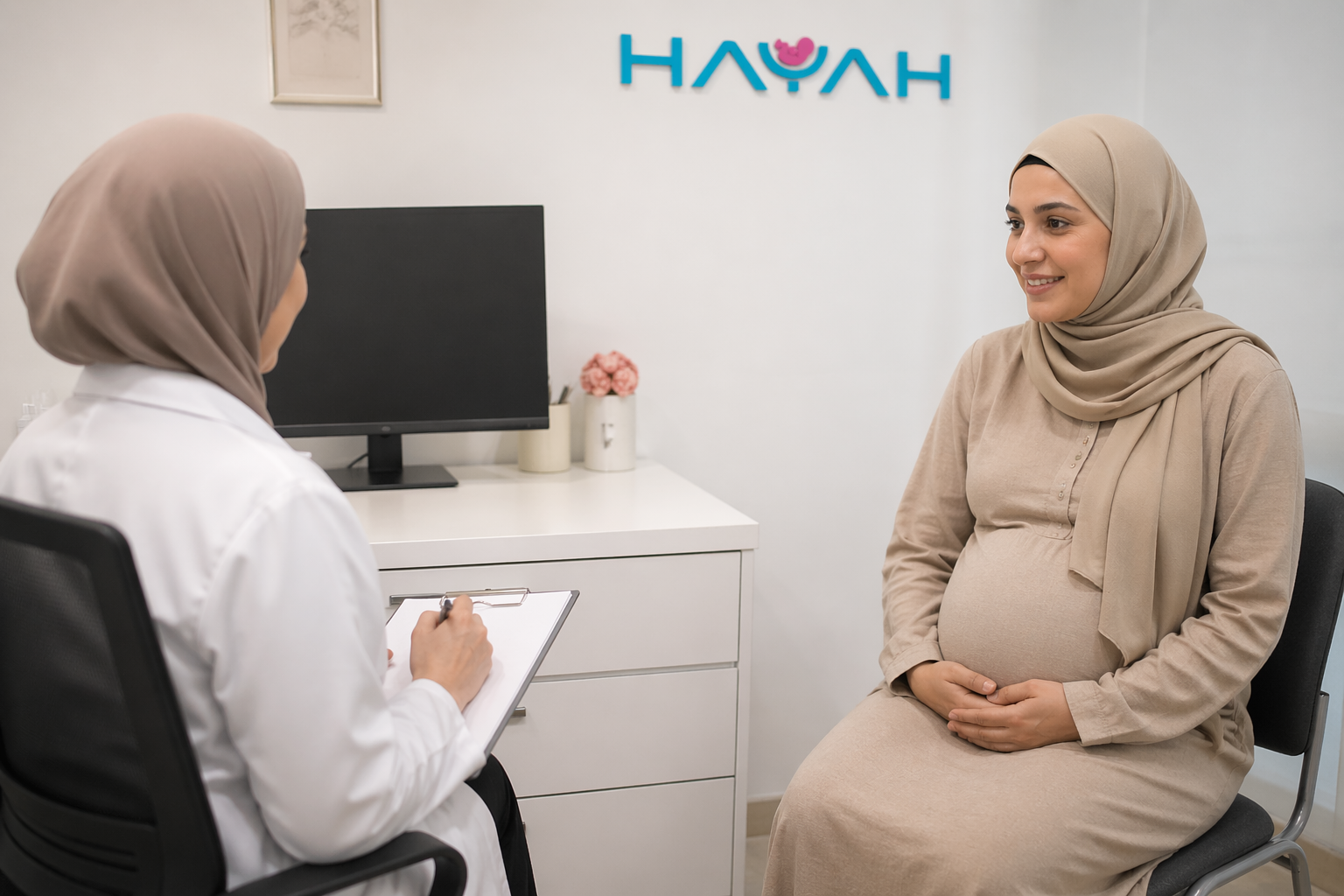

استشارة الطبيب
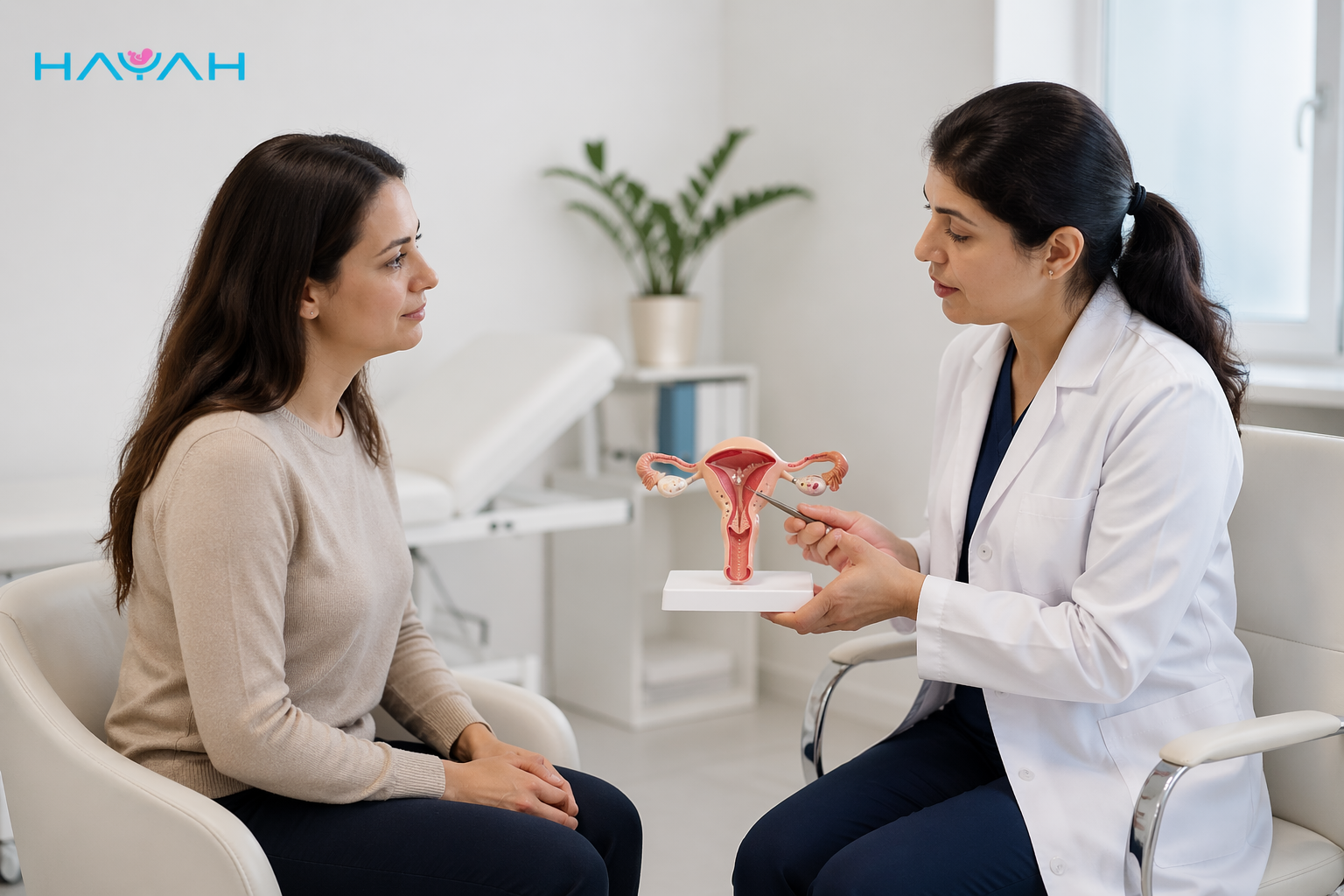
تبدأ العملية باستشارة مفصلة لفهم التاريخ الطبي والأهداف العلاجية.

الخدمات
خدمات شاملة لصحة المرأة والنسائية والتوليد ورعاية الحمل المتخصصة من البداية إلى الولادة
كل موضوع أدناه تابع لهذه الخدمة. اضغط على أي عنصر لعرض التفاصيل الكاملة والمحتوى الخاص به.
يمكن تحقيق نتائج ملموسة في عملية التلقيح الصناعي معنا في ثماني خطوات، وفي كل خطوة من هذه الخطوات سيكون الفريق ذو الخبرة متاحاً لتقديم الدعم وتقديم المشورة ومساعدتك خلال هذه العملية.
تبدأ العملية باستشارة مفصلة لفهم التاريخ الطبي والأهداف العلاجية.
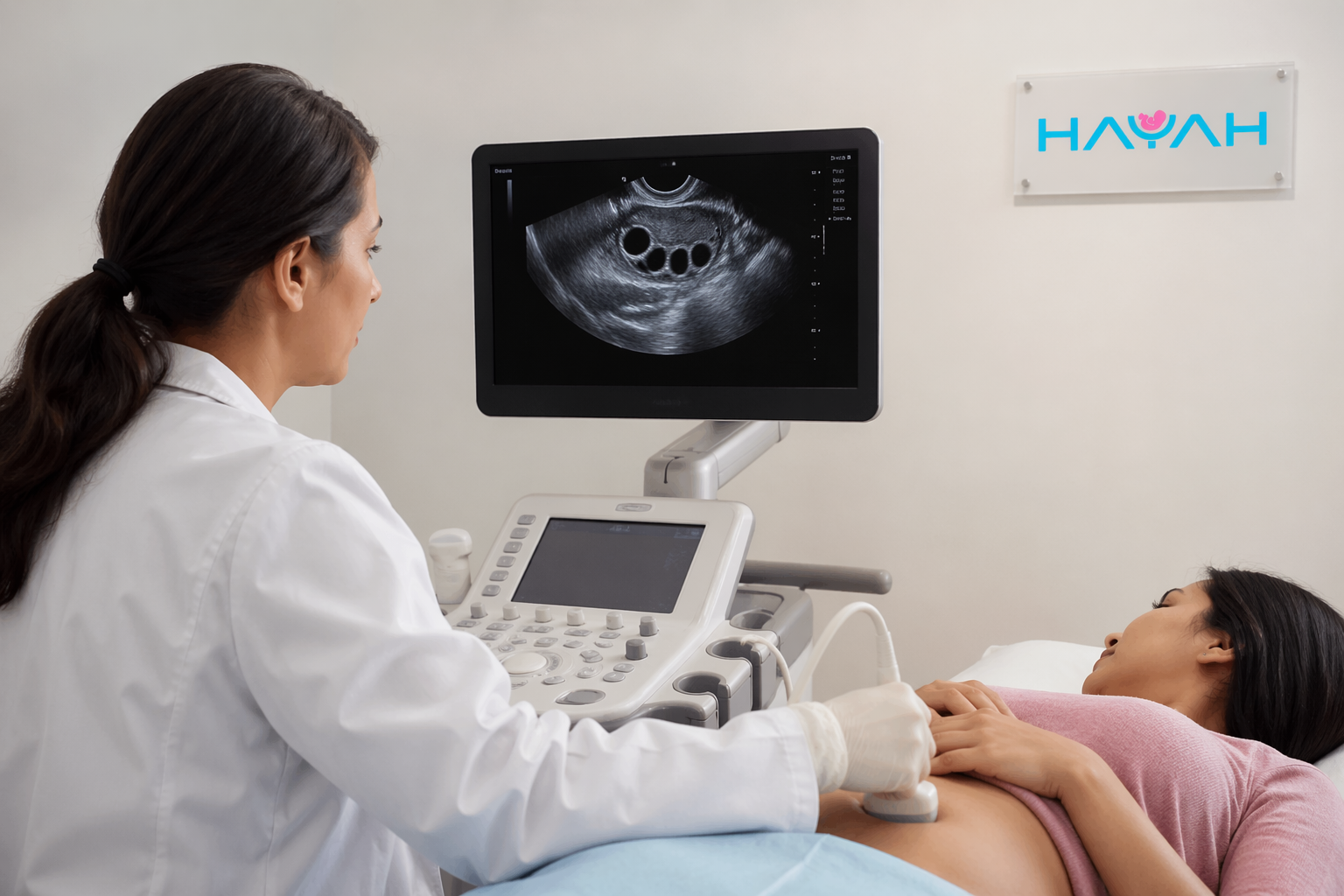
يقوم الطبيب بإجراء التقييم السريري والألتراساوند اللازم لتجهيز المرحلة التالية.
تُجرى الفحوصات المخبرية للزوجة مع فحص السائل المنوي للزوج.
يبدأ برنامج تنشيط مخصص لمساعدة المبيضين على إنتاج بويضات ناضجة.
تتم متابعة استجابة المبيضين بالألتراساوند والفحوصات المخبرية بدقة.
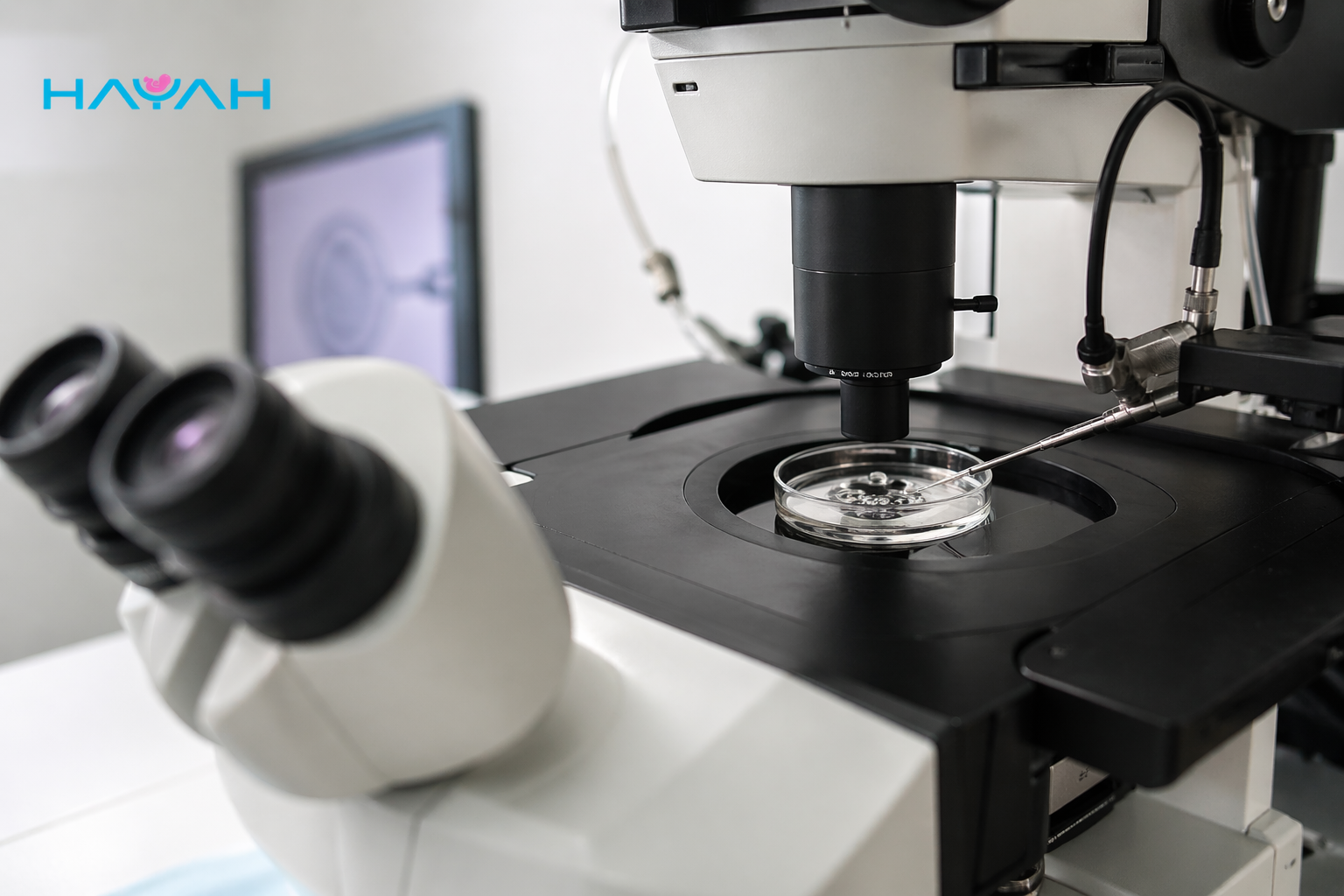
يتم سحب البويضات خارج الجسم وتلقيحها بالحيوانات المنوية في المختبر.
تُعاد الأجنة المختارة داخل الرحم في إجراء بسيط ودقيق.
يؤكد فحص الحمل النتيجة ويساعد في تحديد خطة المتابعة التالية.
اكتشف المؤشرات التي تجعل HAYAH وجهة موثوقة لعلاج الخصوبة وأمراض النساء ورعاية الحمل.
نتائج إنجابية قوية مدعومة ببروتوكولات متقدمة ومتابعة دقيقة وتخطيط خصوبة مخصص.
سجل طبي طويل الأمد في طب الإنجاب وصحة المرأة والرعاية السريرية عالية المستوى.
آلاف المرضى اختاروا HAYAH في رحلات علاج الخصوبة وخدمات النساء ورعاية الحمل.
دعم شامل لأمراض النساء عبر مسارات رعاية متخصصة وفريق متكامل لصحة المرأة.
رحلات حقيقية مرتبطة بهذه الخدمة، تُعرض عبر الاقتباسات والقصص المرئية وآراء المرضى.
"After multiple failed attempts, Hayah helped us understand what was missing in our treatment plan. We felt supported medically and emotionally through every step."
United Arab Emirates
Helpful reads connected to this service to answer common questions and give visitors more confidence before consultation.
Discover everything you need to know about artificial insemination (IUI), including how it works, success rates, benefits, and when it’s recommended for couples facing fertility challenges.
Read More
The IUD is a small device placed inside the uterus to prevent pregnancy. It is one of the most effective long-term birth control methods and can be easily removed when pregnancy is desired again.
Read More
Sexual desire may decrease during pregnancy due to hormonal and psychological factors. In a normal pregnancy, intimacy within usual limits does not usually have negative effects unless there is a medical reason to avoid it.
Read More
Smoking during pregnancy exposes the mother and baby to harmful chemicals that may reduce oxygen and nutrient delivery to the baby and increase the risk of health problems during pregnancy and after birth.
Read More
Some women complain of erectile dysfunction in their husbands, which may cause dissatisfaction during intimacy or lead both partners to avoid sexual relations.
Read More
Lipid and cholesterol tests are not routinely necessary during pregnancy, as increased lipid levels in a pregnant woman’s blood are usually normal.
Read More
Pregnant women are advised to avoid alcoholic beverages regardless of the amount, as there are not enough studies confirming that any weekly amount of alcohol is safe during pregnancy.
Read More
Some women may benefit from certain types of filler injections under the vaginal wall, especially in cases of pain during intimacy or concerns related to genital appearance.
Read More
Smoking may affect fertility and the ability to conceive, and it may contribute to earlier menopause, menstrual irregularity, reduced ovulation, and lower chances of pregnancy.
Read More
The flu vaccine is considered safe during pregnancy and is recommended because pregnant women are more likely to experience complications from influenza compared to non-pregnant women.
Read More
Travel during pregnancy is generally considered safe except in some special cases, depending on the evaluation of the specialist doctor.
Read More
Not every girl with excess weight, menstrual irregularity, or unwanted hair growth necessarily has polycystic ovary syndrome, and even if diagnosed, treatment may not always be needed.
Read More
Many women ask about the risk of chickenpox during pregnancy. Immunity can be confirmed through previous infection history or more accurately through a Varicella Zoster IgG test.
Read More
Gestational diabetes is diabetes diagnosed for the first time during pregnancy, and it may have negative effects on the health of both the mother and the fetus.
Read More
Care for pregnant women with diabetes focuses on controlling blood sugar levels, monitoring fetal growth, reducing pregnancy risks, and planning the safest timing and method of delivery.
Read More
Gestational diabetes has an important effect on the process and timing of delivery, and birth planning depends on blood sugar control and the condition of the mother and fetus.
Read More
Metformin may have a supportive role in some cases of polycystic ovary syndrome associated with high insulin resistance, but it should only be used after consulting a doctor.
Read More
A healthy pregnant woman with good nutrition and proper preventive measures is not more likely than others to be infected with COVID-19.
Read More
When a pregnant woman receives a positive COVID-19 PCR result, there is no need to panic, but she should follow isolation precautions and consult a doctor before using any treatment.
Read More
There are no long-term studies that give clear indications about the risks of COVID-19 infection for the pregnant woman or the baby.
Read More
Most types of exercise during pregnancy are beneficial and safe, and may help improve mood and reduce back and joint pain associated with pregnancy.
Read More
In 1% of pregnancies, the pregnancy settles outside the uterine cavity, such as in the fallopian tube, abdominal cavity, or ovary.
Read More
The choice of treatment method for ectopic pregnancy depends on the accompanying symptoms, the doctor’s recommendation, and the pregnant woman’s preference.
Read More
Ectopic pregnancy diagnosis depends on recognizing risk factors, symptoms, clinical examination, ultrasound, repeated BHCG testing, and sometimes diagnostic laparoscopy.
Read More
Prolactin is a hormone secreted by the pituitary gland and is present in both men and women. Testing may be important when symptoms such as menstrual irregularity, milk discharge from the breast, delayed pregnancy, or severe headache occur.
Read More
Uterine prolapse is usually associated with aging and multiple pregnancies and deliveries, and it may cause symptoms such as a mass protruding from the vagina, urinary problems, constipation, or recurrent abnormal bleeding.
Read More
A slight increase in testosterone in women is common and may not require treatment if there are no symptoms such as excess hair growth, acne, or deepening of the voice.
Read More
There is no relationship between the shape of the belly during pregnancy and the baby’s gender. Belly shape is related to several factors such as height, weight, pelvic capacity, baby’s position, and abdominal wall muscles.
Read More
Uterine enlargement may be noticed in some women who suffer from heavy and painful menstrual periods, but uterine fibrosis differs from uterine fibroids in diagnosis, follow-up, and treatment.
Read More
Polycystic ovaries is a commonly used term, often given as a diagnosis when women complain of menstrual irregularities, weight gain, or delayed pregnancy and conception.
Read More
A woman with polycystic ovary syndrome may experience some or all symptoms, such as menstrual irregularity, weight gain, acne, increased hair growth, and delayed conception.
Read More
Some girls and women experience menstrual pain, which may begin at puberty or at any time during a woman’s life. Menstrual pain may be primary or secondary.
Read More
Molar pregnancy is a type of abnormal pregnancy that usually does not result in the birth of a healthy baby and may, in a few cases, cause long-term negative effects on the pregnant woman.
Read More
Most vaginal discharge during pregnancy is considered normal, does not require treatment, and is usually caused by hormonal changes associated with pregnancy.
Read More
As a woman’s age increases, fertility decreases and the risks and problems during pregnancy increase, but pregnancy after forty is not impossible or prohibited with proper and regular follow-up.
Read More
Hot flashes are among the most common symptoms women experience during menopause, causing discomfort, embarrassment, and sometimes sleep deprivation.
Read More