Content from the article
Ovarian Reserve Testing (AMH - Anti-Mullerian Hormone)
Ovarian reserve testing, as it is commonly called, is an important test used to determine the extent of the ovaries’ ability to produce eggs.
Although there is a correlation between the AMH hormone level and reproductive potential, a low hormone level does not necessarily mean that a woman is infertile and unable to conceive. It also does not mean that she cannot become pregnant through IVF, nor does it mean that she will enter menopause soon.
A low hormone level means that the ovaries’ response to ovulation stimulation medications will be lower than expected.
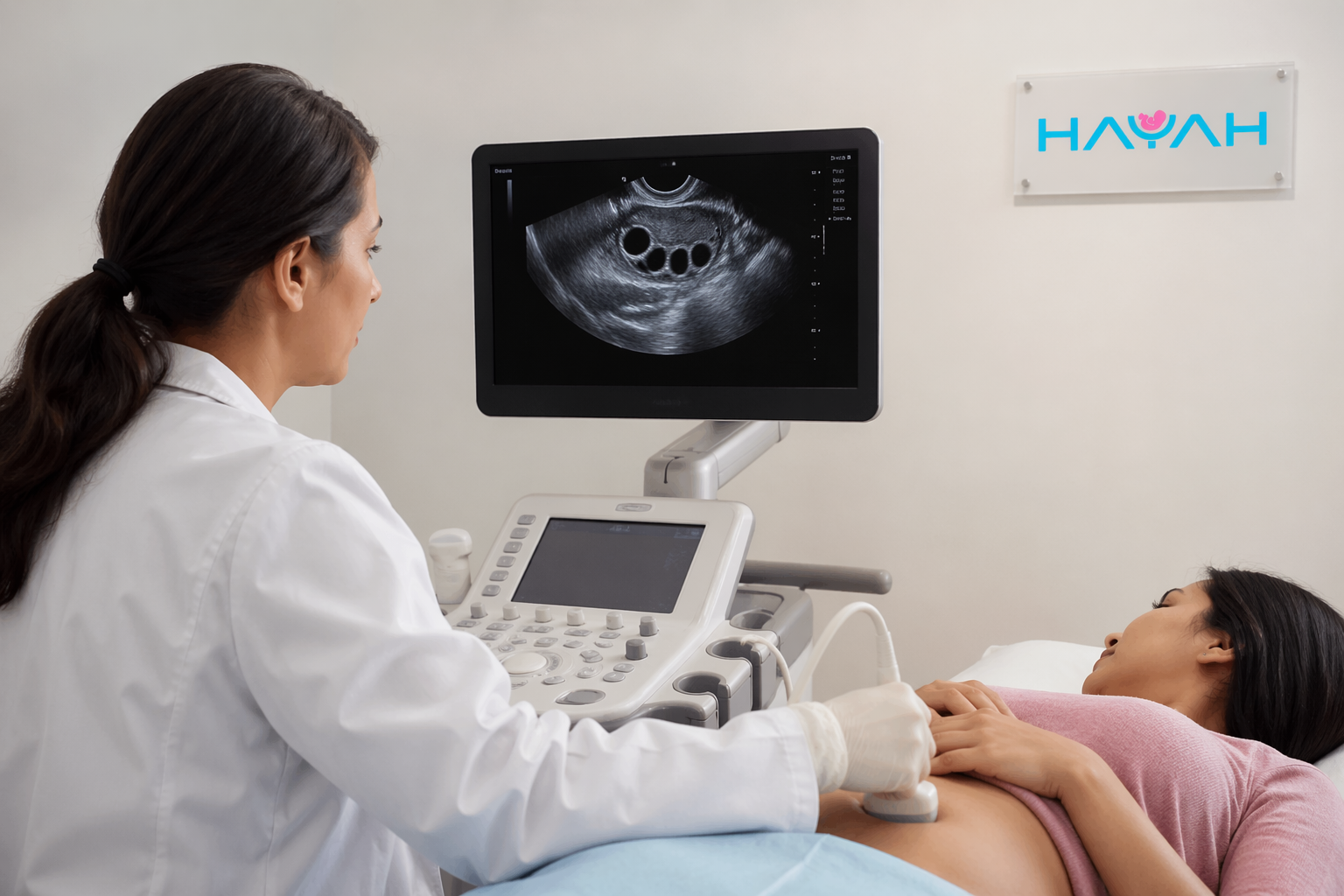
There are other ways to assess a woman’s reproductive potential, such as checking the number of follicles in the ovaries by ultrasound and measuring the FSH hormone.